The Essential Guide to Selecting Fire-Resistant Roofing Materials Jun 03, 2026
To begin, let's explore why fire-resistant roofing is essential. Fires can spread rapidly through communities, making it vital to choose roofing materials that can withstand exposure to flames and high temperatures. Fire-resistant roofs not only protect your home but also prevent the spread of fire to neighboring properties. Moreover, they can offer peace of mind knowing that you've taken proactive steps to safeguard your investment.
When selecting fire-resistant roofing materials, consider the following options:
1. Asphalt Shingles: These are among the most common roofing materials. Look for asphalt shingles with a Class A fire rating, the highest available, which indicates superior fire resistance. These shingles contain mineral granules that enhance their fire protection capabilities.
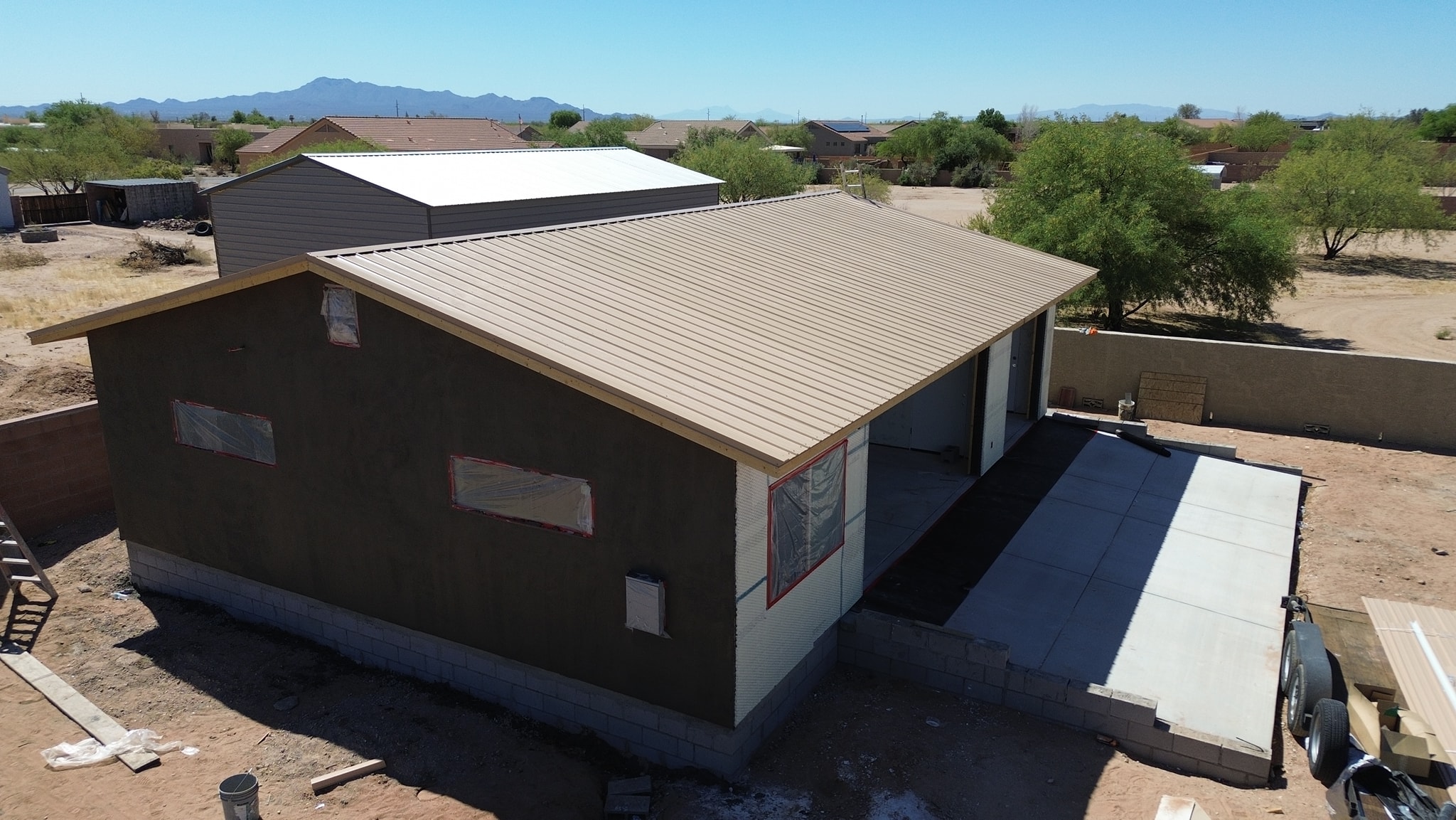
2. Metal Roofing: Metal roofs are inherently fire-resistant as they are non-combustible. They can effectively reflect heat and prevent fire from spreading, making them an excellent choice for fire-prone areas. Additionally, metal roofing requires minimal maintenance, adding to its appeal.
3. Clay and Concrete Tiles: These materials offer excellent fire resistance due to their density and non-combustible properties. Clay and concrete tiles can also provide aesthetic appeal and durability, although they may require additional structural support due to their weight.
4. Slate Tiles: Renowned for their longevity and natural beauty, slate tiles are another non-combustible option. They provide exceptional fire resistance and can last over a century with proper care. However, like clay and concrete, they may necessitate enhanced support structures due to their weight.
5. Synthetic Roofing Materials: Some manufacturers offer composite or synthetic roofing materials designed to mimic the appearance of traditional materials like slate or wood while providing superior fire resistance. These products often come with a Class A fire rating and are lightweight, reducing the need for additional structural support.
Incorporating fire-resistant roofing materials involves understanding not only their benefits but also potential drawbacks. Consider factors such as cost, climate compatibility, and aesthetic preferences. Consulting with a professional roofing contractor, such as those at Copper Valley Roofing LLC, can provide valuable insights and tailored recommendations based on your specific needs and location.
Regular maintenance is also key in ensuring the longevity and efficacy of your fire-resistant roof. Clearing debris, inspecting for damage, and conducting routine maintenance checks can prevent small issues from becoming significant problems and help maintain the roof's fire-resistant properties.
As we conclude, remember that investing in fire-resistant roofing is an investment in the safety and security of your home. Whether you're installing a new roof or replacing an existing one, selecting the right materials is crucial. At Copper Valley Roofing LLC, we are committed to helping you make informed decisions and providing top-notch installation and maintenance services. Reach out to us for a consultation and let our experienced team guide you in protecting your home with the best fire-resistant roofing solutions.