Understanding the Impact of Weather on Different Roofing Materials Jan 19, 2026
When considering the impact of weather on roofing materials, it is essential to start with the most commonly used material – asphalt shingles. Known for their cost-effectiveness and ease of installation, asphalt shingles are quite popular across various climates. However, despite their popularity, they can become brittle and crack in extreme cold. Furthermore, they can lose protective granules due to heavy rains and high winds, potentially leading to leaks. Homeowners should ensure proper maintenance and inspections, especially after severe weather occurrences, to prolong the life of asphalt shingle roofs.
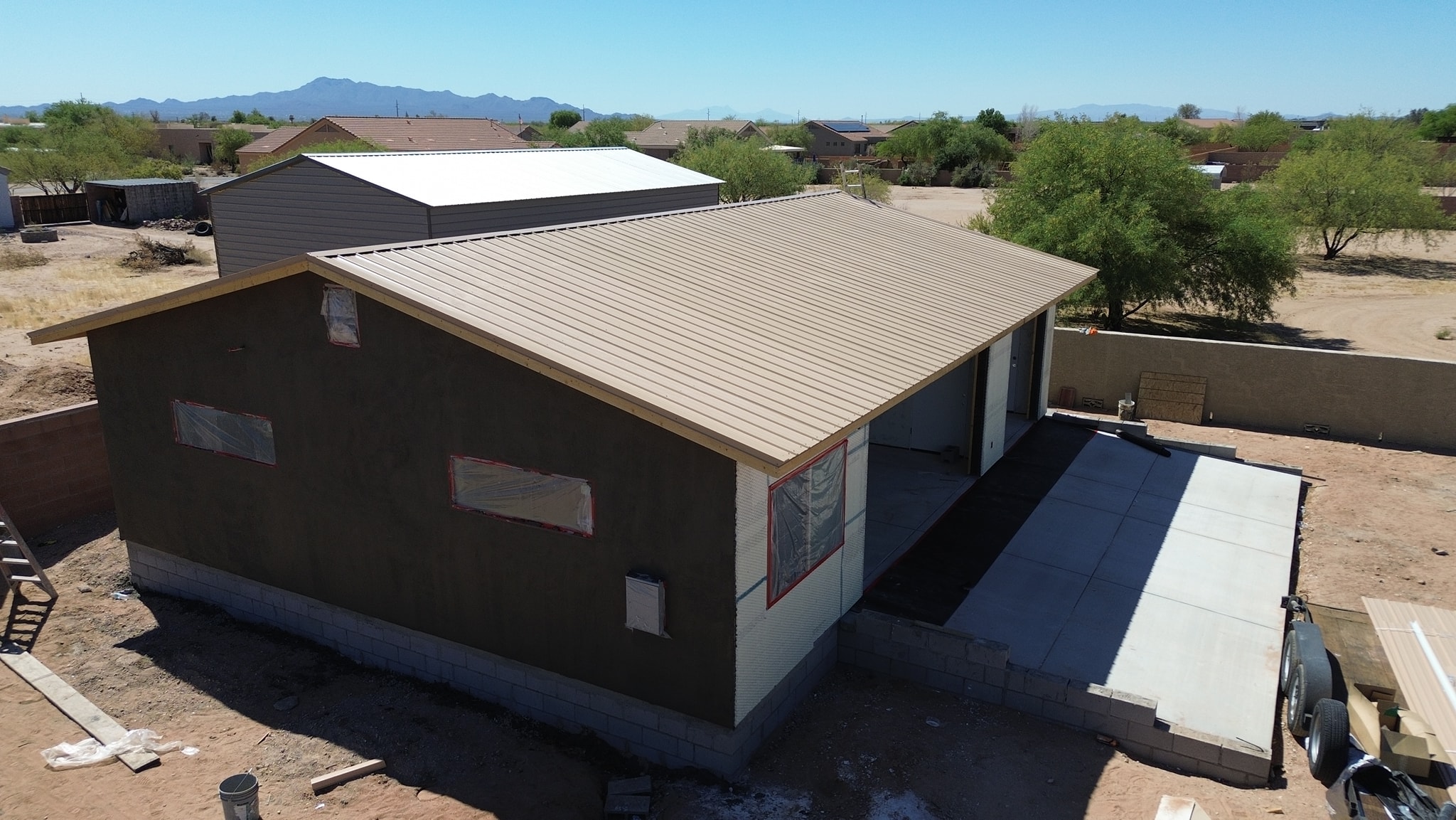
Metal roofing, on the other hand, demonstrates superior strength in most weather conditions. It stands up well to high winds, snow, and hail, making it an excellent choice in areas prone to such weather. Metal’s reflective properties also make it energy efficient in hot climates. However, it’s worth noting that without proper insulation, metal roofs can make temperatures louder during rainfall. When opting for metal roofing, it's prudent to invest in quality insulation.
Then there is the classic appeal of clay and concrete tiles, often seen in warmer climates due to their natural thermal properties. Clay and concrete tiles reflect heat, thus helping to keep homes cooler. They are also resistant to wind and hail damage. That said, their heavier weight necessitates a robust roof structure, which may not be suitable for all existing buildings. While these materials fare well against the elements, proper installation is key to preventing issues like water seepage.
Slate roofs, albeit aesthetically pleasing and highly durable, also have their unique weather-related challenges. Slate is resistant to fire, wind, and extreme weather conditions, making it a durable option in varied climates. Nevertheless, similar to clay, slate is heavy and requires strong structural support to accommodate its weight. Additionally, due to slate’s susceptibility to ice damming in colder regions, professional maintenance is critical for extending its lifespan.
Flat roofing materials like membranes and built-up roofs face specific challenges in weather-prone areas. These roofs are susceptible to water pooling and have a generally lower resistance to punctures from debris in stormy or windy conditions. Regular inspections and maintenance, such as cleaning gutters and drainage systems, can mitigate these risks and extend the roof’s life.
In conclusion, understanding the relationship between your roofing material and the local weather is vital for the longevity and integrity of your roof. Regular inspections and maintenance play a crucial role in maximizing the lifespan of your roofing investment. At Copper Valley Roofing, we are dedicated to providing our clients with expert advice tailored to their specific needs and regional weather patterns. Whether you are selecting a new roof or seeking maintenance tips for your existing one, reaching out to professional roofing services ensures that your choice in roofing materials performs effectively against seasonal challenges.
Investing in the right roofing material and maintaining it well can save on costly repairs and ensure the safety and comfort of your home. Let Copper Valley Roofing be your trusted partner in securing a resilient roof for every season.