Understanding the Lifespan of Your Roof: Factors that Matter Feb 16, 2026
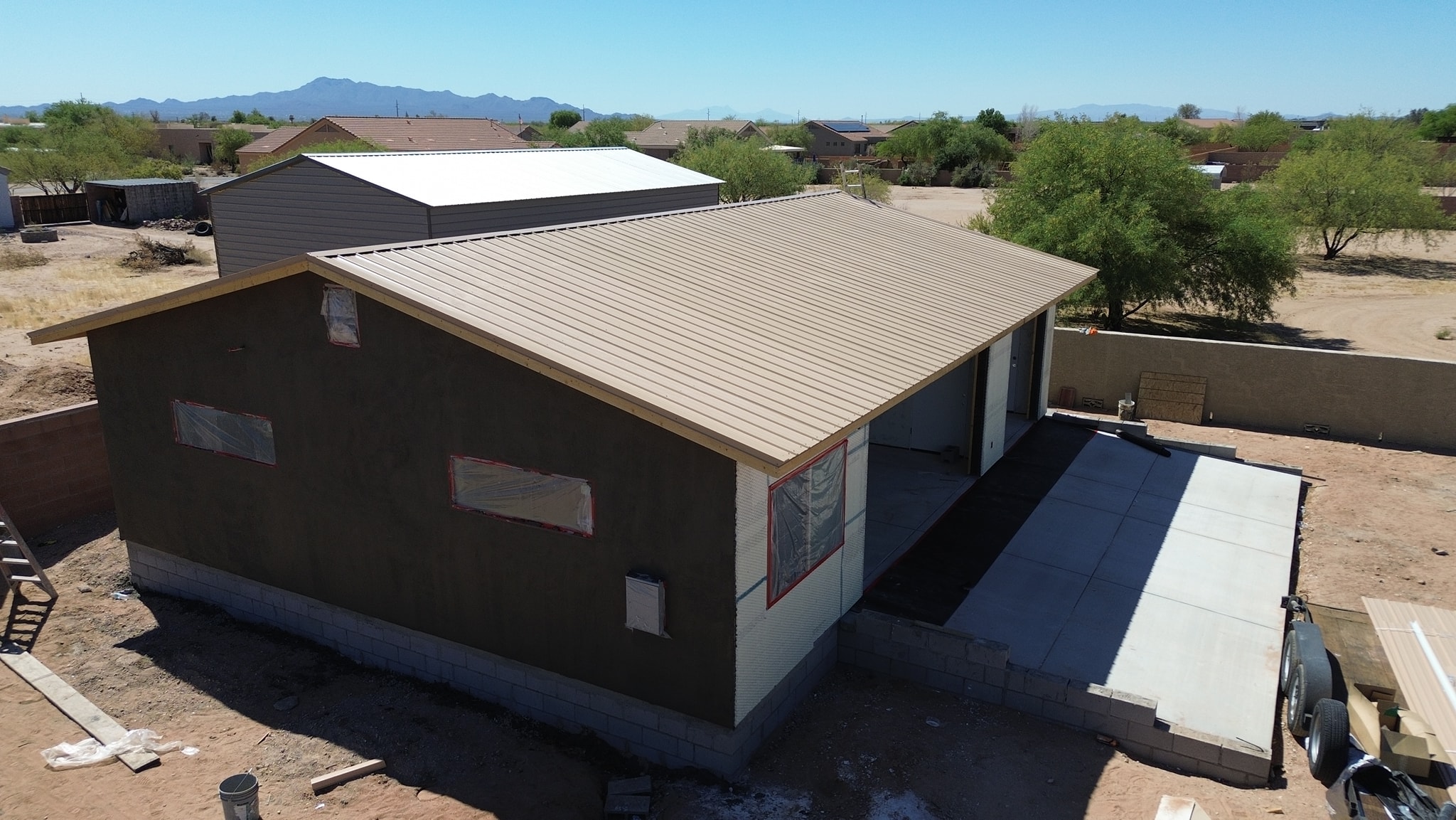
The first key element influencing your roof’s lifespan is the type of roofing material used. Asphalt shingles, the most common roofing material, typically last about 20 to 30 years. Metal roofs, on the other hand, can last anywhere from 40 to 70 years, depending on the specific material like aluminum or copper. Slate and tile roofs are among the most durable, often withstanding 50 years or more, making them an excellent long-term investment.
Climate and weather conditions also play a significant role. Homes located in areas with extreme weather patterns, such as heavy snowfall, high winds, or intense sunlight, may experience faster degradation of roofing materials. In particular, consistent exposure to harsh sunlight can cause asphalt shingles to dry out and crack, while heavy snowfall can lead to ice dam formation, which stresses the roof structure.
Moreover, the quality of installation is pivotal. Even the best materials won’t perform if they’re not installed correctly. A professional installation by an experienced roofing company like Copper Valley Roofing ensures that every component of your roofing system is properly placed and sealed, preventing premature wear and tear. Poor installation can lead to issues such as leaks, inefficient ventilation, and poor insulation, all of which can shorten your roof’s lifespan.
Regular maintenance is another critical factor. Routine inspections and timely repairs can prevent minor problems from developing into more significant issues. Inspect your roof at least once a year, or after severe weather events, to check for lifted shingles, accumulated debris, or damaged flashing. Simple maintenance tasks, such as cleaning gutters and removing branches or leaves, can significantly extend the life of your roof by preventing water damage and the growth of mold or mildew.
Ventilation is equally important. A well-ventilated roof ensures that moisture does not accumulate in the attic, which can lead to rot and decay over time. Proper ventilation regulates temperature, reducing the potential for damage caused by extreme heat or cold. Ensuring that your attic has adequate insulation can also help maintain a stable environment for your roof.
Lastly, consider the significance of initial quality. Investing in high-quality materials and choosing a reputable contractor can have a long-lasting impact. When selecting materials and professionals, don’t base your decision solely on price. While it might be tempting to choose a cheaper option, paying a bit more upfront for quality materials and craftsmanship often results in fewer repairs and a longer roof lifespan, saving you money in the long run.
In conclusion, the lifespan of your roof depends on several interrelated factors, including the type of material, climate, installation quality, and maintenance. By understanding these elements and taking proactive steps, you can maximize the durability of your roof and ensure it provides protection and peace of mind for years to come. Copper Valley Roofing is here to assist you with expert advice and services tailored to extend the life of your roof. Contact us today to learn more about how we can help preserve your home’s most valuable asset.